
You can feel it. It’s a little easier to wake up in the morning. You feel a little sharper. As the days get longer, the plants and animals around us respond, too, by kickstarting their seasonal cycles. I, for one, am ready for it!
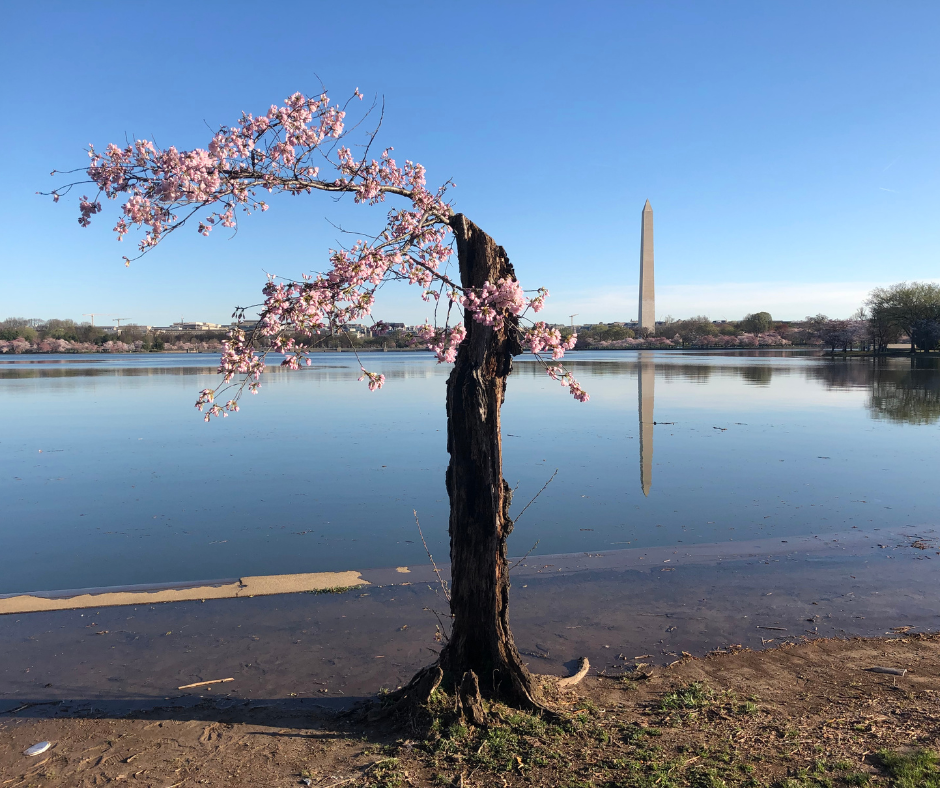
We in the Chesapeake Bay live in a dramatically seasonal environment. Our landscape changes from green, green, green in Summer to gray, brown, gray in Winter. Sometimes it feels like the only activity in the plant world in winter is my decorated Christmas tree changing to a New Year’s tree and finally to a Valentine’s Day tree before I take it down in February (Winter needs light and color, OK!). What we don’t see is an important part of the seasonal cycle often taking place underground. But soon the flowers return, the birds start singing, and before you know it, it’s time to set your clock forward because Spring is officially here.
The term for the study of the seasonal activity in the environment is phenology - coming from the Greek word “phen-”, to bring to light, and “-ology”, to study. And while light is an important queue for many species, seasonal cycles can respond to a number of different factors like temperature, availability of food, or moisture - often at the same time. If you’ve ever tried to predict peak bloom for a visit to the Tidal Basin, you can understand how complicated it can be! Seasonal changes are critical for the relationships among plants and animals, but it also drives a lot of tourism to National Parks, so it’s worth measuring (and there is a group of people who do just that).
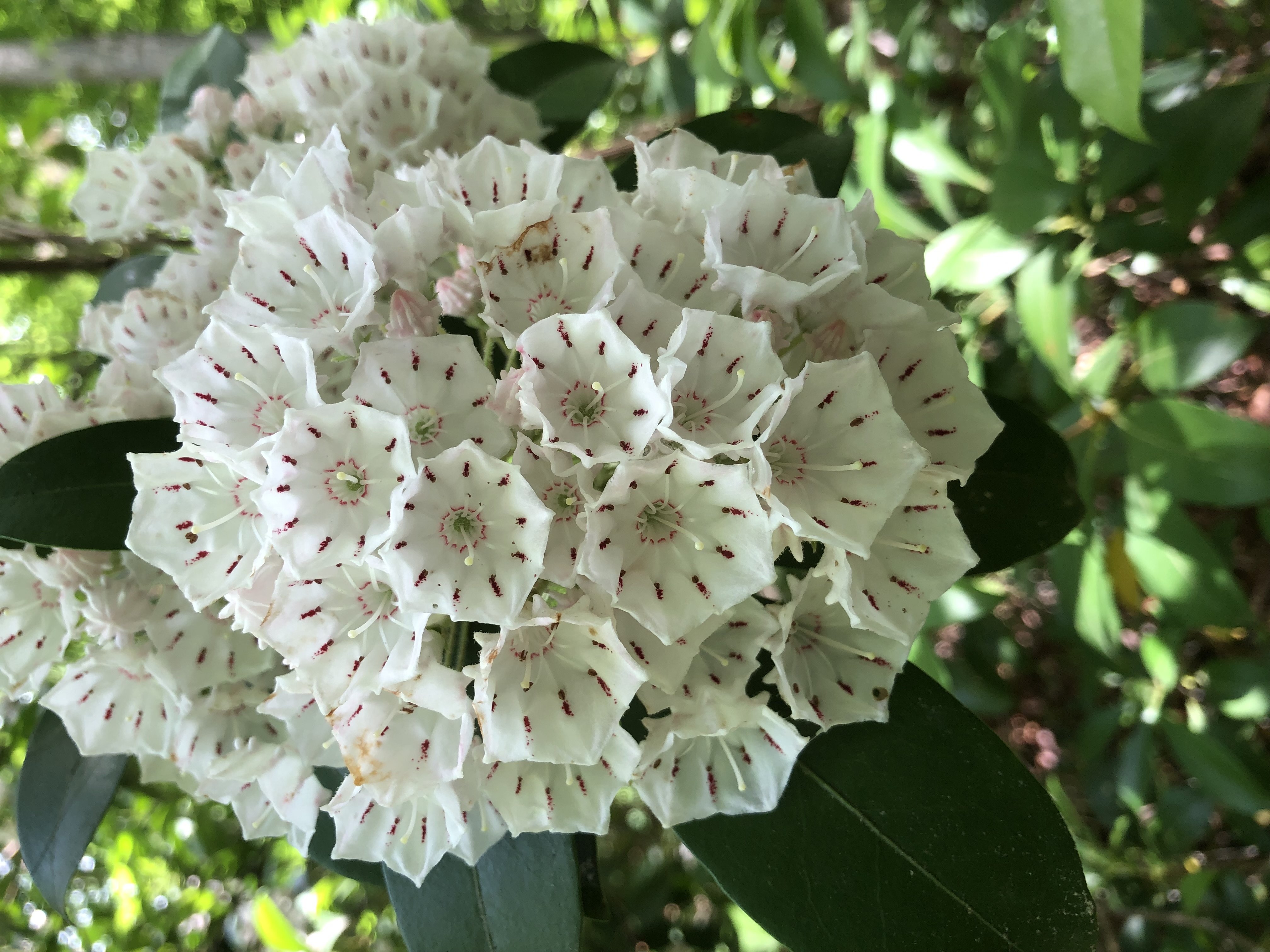
Phenology is also a way that we can see climate change happening. The important work of groups like the National Phenology Network has shown long-term changes in the timing of events in nature. Tree leaf-out and flowering are both sensitive to changing temperatures. For example, peak Cherry Blossom bloom in DC is about 5 days earlier now than it was a century ago. Mismatches in timing can ripple through the ecosystem. I think many of us have experienced a grumpy kid or hungry pet when meal time is an hour later after daylight savings time. A mild inconvenience for us, but for insects that rely on a flower for food during a brief emergent stage that can mean life or death. The flower may not get pollinated to produce seeds for the next generation. It is an important reminder of how everything is connected.
Phenology is built into my sense of place in nature. When I see the first crocuses in my yard, I know spring is on its way. I start thinking about my garden and look forward to the parade of flowers that will emerge each week over the next few months. I get excited for the Spring Faithful Green Leaders Training and Earth Day. I welcome the return of migratory birds and the green, green, green and buzz of Maryland forests in the summer. I encourage you to not hit snooze on nature’s alarm clock. Let it wake you up and remind you of our relationship to the world around us.

Do you like this page?