
The first day of Rosh Hashanah, the beginning of the Jewish New Year, traditionally includes Tashlich, a ceremony in which bread crumbs are cast into a flowing body of water after the reading of special verses to symbolize the casting away of sins. This meaningful tradition has been adapted in recent years to foster a deeper connection with the Earth’s waters through a practice known as reverse Tashlich.
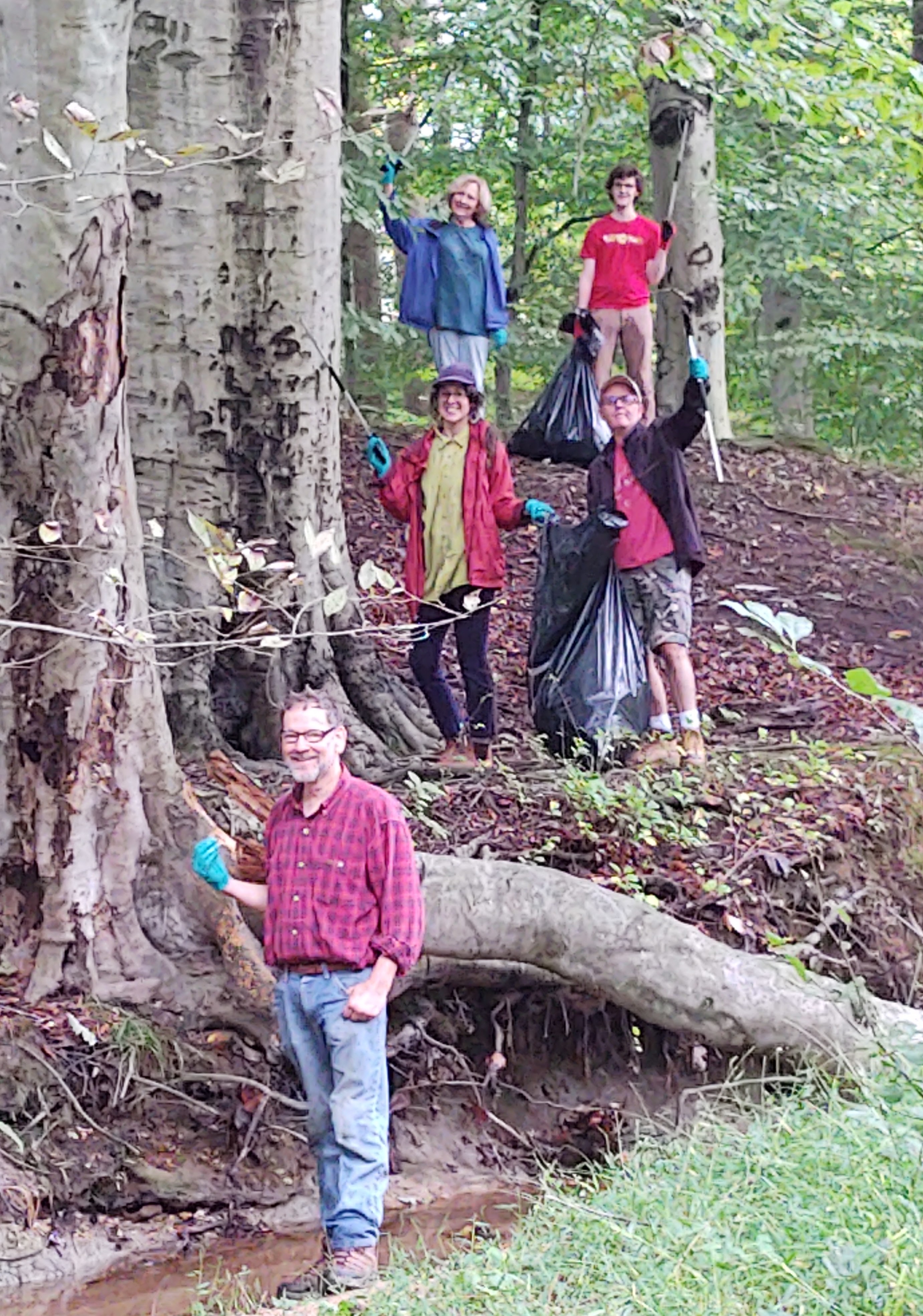
Reverse Tashlich involves removing harmful items from the water, symbolically drawing out sin. These ceremonies are growing in popularity and are practiced across the country. Organizations such as Tikkun HaYam – Repair the Sea, whose mission is to “share the spiritual wonders of water and the Sea from a Jewish perspective, promote interfaith harmony and cooperation, and raise awareness and encourage action to address the many threats facing the aquatic environment,” provide resources on how to perform reverse Tashlich and explain its significance. Often, reverse Tashlich takes the form of a stream cleanup, removing trash from local waterways. This Rosh Hashanah, consider performing a reverse Tashlich alongside—or even in place of—a traditional Tashlich ceremony!
IPC had the opportunity to interview a congregation hosting a Reverse Tashlich event this year. Columbia Jewish Congregation (CJC), located in the Oakland Mills Interfaith Center in Howard County, is holding their fourth annual Reverse Tashlich on September 28th from 1–3pm. IPC spoke with Wendy Hall, the coordinator of CJC’s Reverse Tashlich, about the significance of this tradition and how the congregation organizes the event.
Q: What inspired CJC to perform Reverse Tashlich?
A: Back in 2022, when I chaired the CJC Green Team, Rabbi Michael Hess-Webber asked me to consider having the team participate in the fairly new tradition of Reverse Tashlich (RT). This practice represents a "flip" on the Jewish High Holidays tradition of symbolically casting off one's sins by tossing bread into a body of water, which is eaten by wildlife. [As an aside, more recently, less polluting options such as streamside pebbles are being used instead of bread.]
In Reverse Tashlich, we remove the "sins" of our fellow humans by retrieving trash from and along local waterways. This worldwide event is organized by the nonprofit Repair the Sea (Tikkun HaYam in Hebrew). Its goals of environmental stewardship align perfectly with our Green Team’s mission. I love that RT provides a hyper-local, hands-on way to support G-d's Creation, beautifully fitting with this season of atonement and renewal.
Q: How is Reverse Tashlich meaningful to your congregation and community?
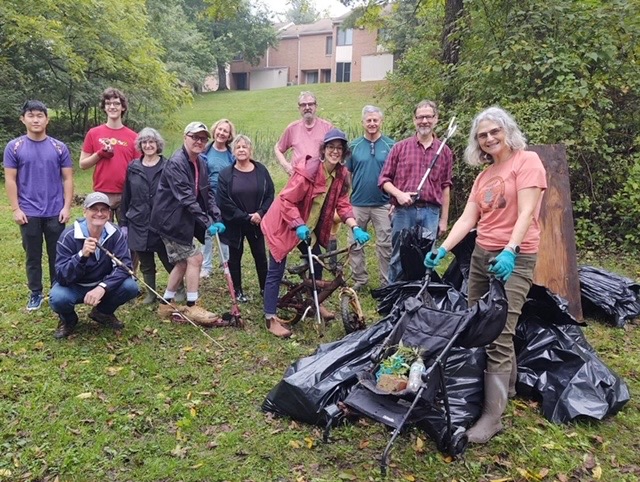
A: Reverse Tashlich is both a tangible way to immediately improve our local environment and a spiritual act that helps cleanse our own souls as we remove the "sins" of others. Participants benefit from this personal act, while the community—human and otherwise—benefits from the enhanced beauty and safety of their neighborhood stream. We also enjoy connecting with passersby who ask about what we’re doing and express their gratitude. These positive interactions allow us to lead by example in caring for our shared environment.
Q: What goes into organizing a Reverse Tashlich, and how would you recommend others get started?
A: In Columbia, we are fortunate to have the support of the Open Space staff of the Columbia Association. They provide access to the streams and surrounding areas on their properties, oversight from professional staff, all necessary cleanup tools, and even haul away the trash we collect! For us, organizing mainly involves selecting the time and place, advertising, and running the event.
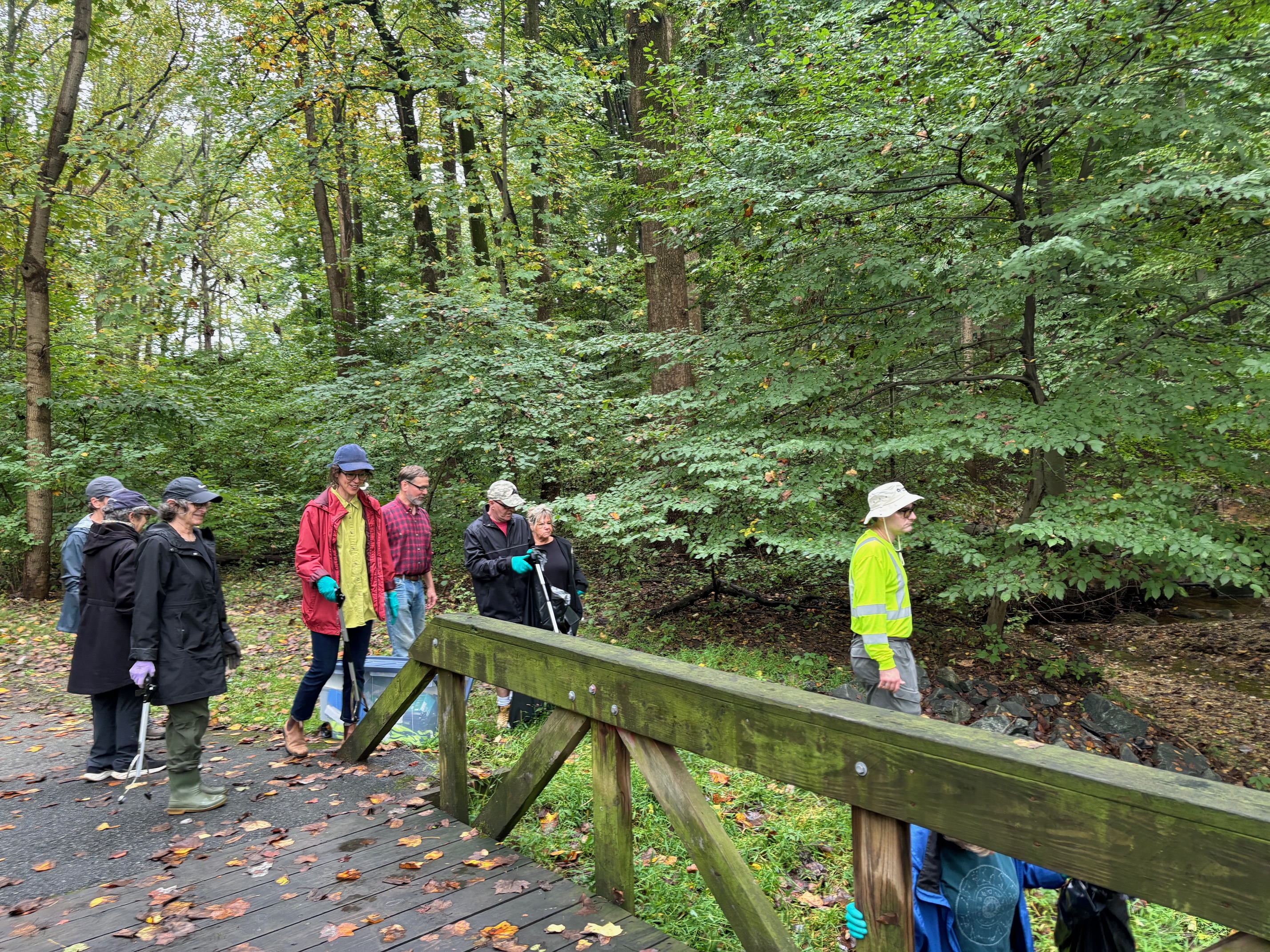
I recommend that others reach out to local landowners (e.g., local government, HOAs, or private landowners), depending on their planned location. Once permission is granted, groups should gather materials such as heavy-duty trash bags, gloves, and trash grabbers, and determine their target audience for outreach. Repair the Sea makes organizing events easy by providing outreach materials, online participant registration, and even a sample opening prayer to set the spiritual tone for the cleanup.
If you are interested in participating in CJC’s Reverse Tashlich, please [register here]. We hope to see you there!
Do you like this page?