
On a hot summer afternoon, it doesn't take long to notice that some places feel much hotter than others. Walk down a tree-lined street and the air feels cooler. Cross into a neighborhood with endless pavement, parking lots, and few trees, and suddenly the heat becomes almost unbearable.

These areas are known as urban heat islands. Buildings, roads, and sidewalks soak up the heat of the sun all day, then slowly release that heat back into the air. Without trees or green spaces to provide shade and cooling, temperatures can climb 10 to 20 degrees higher than in nearby neighborhoods.
The issue isn’t only rising temperatures, but who is left to bear them and how that came to be.
Across the Chesapeake Bay watershed, the neighborhoods facing the most intense heat are often the same communities that have had the least investment over time. Fewer trees. Fewer parks. More pavement. These conditions didn’t appear overnight. They are tied to decades of planning decisions, housing policies, and uneven development that shaped where resources went and where they didn’t. The result is a landscape where some neighborhoods have shade built in, and others largely do not.
That difference matters. Higher temperatures mean higher energy bills, greater health risks, and fewer safe outdoor spaces during the summer. Heat is not experienced evenly, and neither is its impact.
Still, there are ways to change that pattern, and many of them are already taking root.
Through Interfaith Partners for the Chesapeake’s Trees for Sacred Places program, faith communities are turning their properties into places of relief and 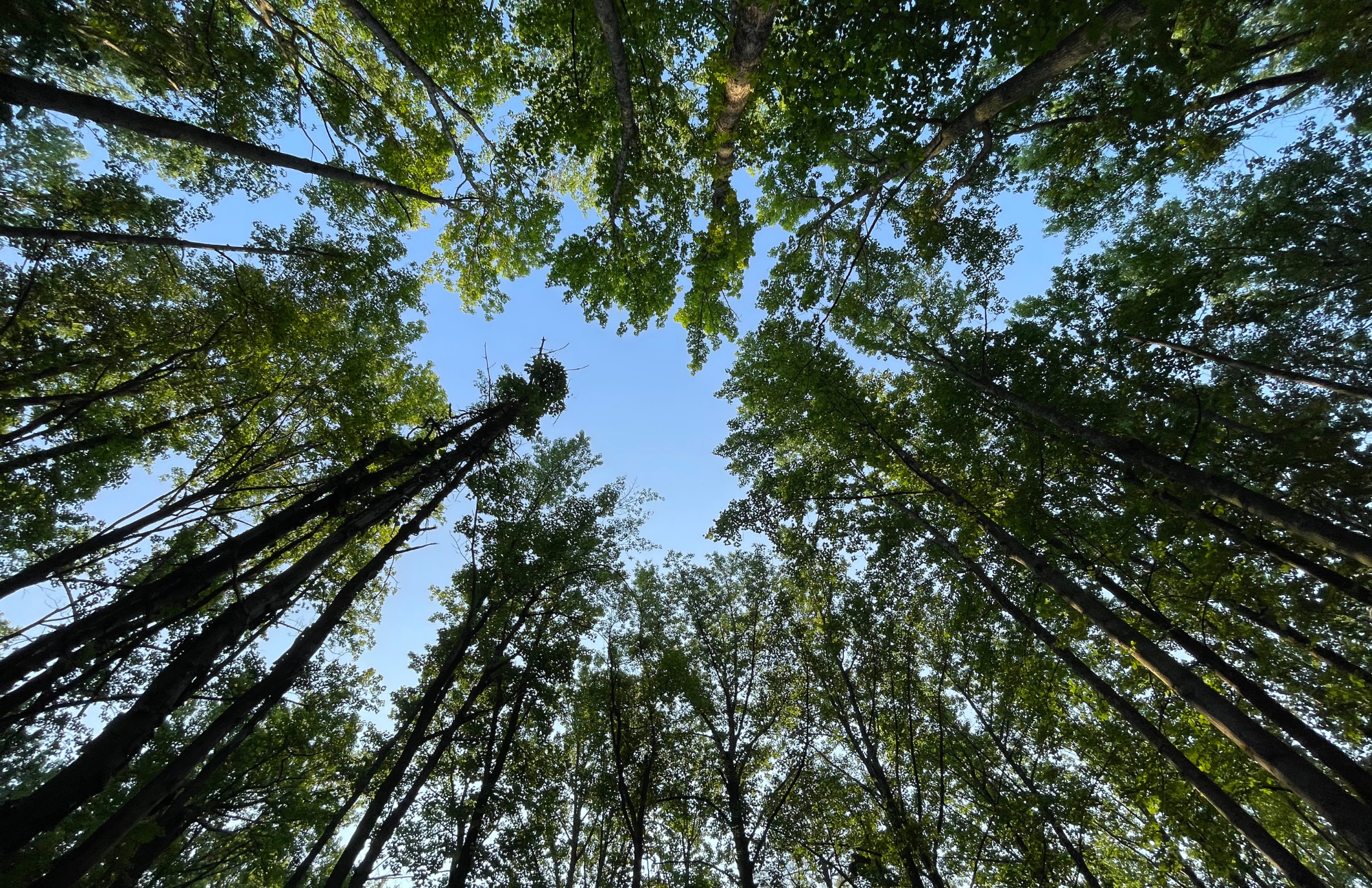 resilience. Congregations across the watershed are planting native trees that provide shade, lower surrounding temperatures, and help absorb stormwater before it reaches local streams. What starts on sacred grounds extends outward cooling nearby streets and strengthening surrounding neighborhoods.
A single tree won’t fix the problem. But over time, these efforts add up. More canopy means cooler blocks. More shade means safer summers. More green space means healthier water flowing into the Chesapeake Bay.
This work sits at the intersection of environmental care and community care. As summers continue to warm, planting trees becomes more than beautification—it becomes a way of protecting health, restoring balance, and addressing long-standing gaps in access to nature.
Every tree planted through Trees for Sacred Places is a small shift in that direction. Not just toward cooler neighborhoods, but toward ones where shade is shared more fairly.
 Find out more how you can get involved with our Trees For Sacred Places Program here: https://www.interfaithchesapeake.org/trees_for_sacred_places

Do you like this page?