
Sometimes Creation Care begins with a single seed and sometimes, that seed was planted years ago.
For Beth Shalom Congregation in Columbia, Maryland, that story reaches back to 2012, when the congregation took an early step toward caring for its sacred grounds and the watershed by installing a rain garden to help manage stormwater from its large roof. When the original garden proved insufficient to handle the volume of runoff, Beth Shalom expanded the project, demonstrating that caring for the land around a house of worship can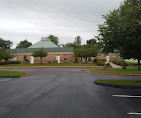 also be an act of caring for the wider community and the Chesapeake Bay watershed.
More than a decade later, that spirit of stewardship is taking root again through Beth Shalom’s new Green Team.Their team is building on a history of environmental care that was already part of the congregation’s story. Through IPC’s Faithful Green Leaders Training, members have had an opportunity to learn alongside other faith communities, explore what Creation Care can look like within their own congregation, and begin imagining the next chapter of Beth Shalom’s environmental work.
That next chapter is already beginning to take shape. The Green Team is exploring projects that can continue to strengthen the congregation’s connection to the land, including plans for a pollinator garden and tree planting. These projects offer more than environmental benefits. They can create spaces for members and neighbors to experience the beauty of Creation, support pollinators and wildlife, provide shade and habitat, and deepen the congregation’s relationship with the land it calls home.
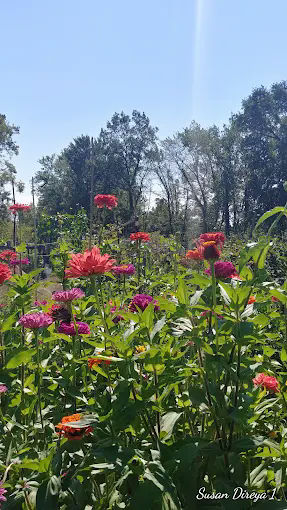
There is something especially meaningful about seeing environmental stewardship return and grow within a congregation. A rain garden installed in 2012 may have seemed like one project at one moment in time, but its story did not end there. More than a decade later, new members are picking up that thread and asking what comes next. Beth Shalom’s Green Team reminds us that Creation Care is not always about starting something entirely new. Sometimes, it is about remembering what was planted before, tending what is here today, and creating the conditions for something new to grow tomorrow.
That is the beauty of congregational Creation care: each action can become part of a much longer story that connects people, communities, and faith with the land and waters we all share.

Do you like this page?