
On warm summer evenings, fireflies appear like tiny floating lanterns, rising quietly from the grass as daylight fades into dusk. Their soft flashes seem almost magical — brief sparks of light blinking across backyards, fields, and wooded paths. For many people, fireflies are more than insects; they are reminders of childhood wonder, slower evenings, and the beauty hidden in ordinary moments.
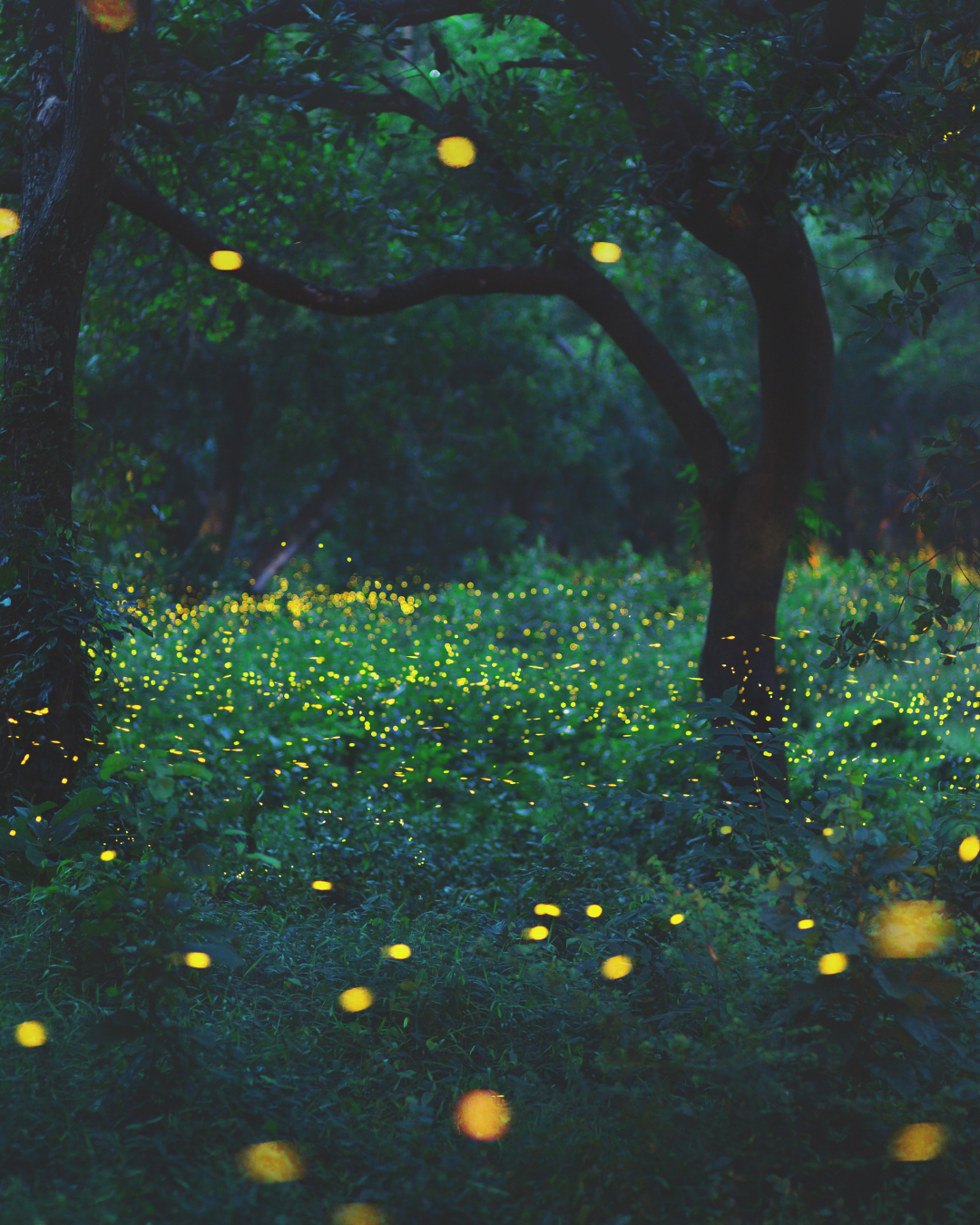
Fireflies, also known as lightning bugs, are not actually flies at all. They belong to the beetle family Lampyridae, a group of insects that has existed on Earth for millions of years. Scientists believe their ancestors first evolved during the age of the dinosaurs, long before humans ever watched their glowing displays on summer nights.
Today, there are more than 2,000 species of fireflies found across the world, especially in warm and humid regions. North America is home to many different kinds, with the eastern United States becoming especially alive with blinking fireflies during late spring and summer.
Their famous glow comes from a natural chemical reaction inside their lower abdomen called bioluminescence. When oxygen combines with chemicals known as luciferin and luciferase, the insect produces light with almost no heat. This makes fireflies one of nature’s most efficient light producers.
Each species has its own flashing pattern. Some blink slowly, others rapidly, and some fly close to the ground while others drift higher into the trees. These flashes are part of a silent language used to attract mates and communicate in the darkness.
Fireflies begin life not in the air, but underground or in moist soil as larvae. In this stage, they are sometimes called “glowworms” because they can glow faintly even before becoming adults. The larvae feed on snails, slugs, and other small insects, making them helpful to gardens and ecosystems.
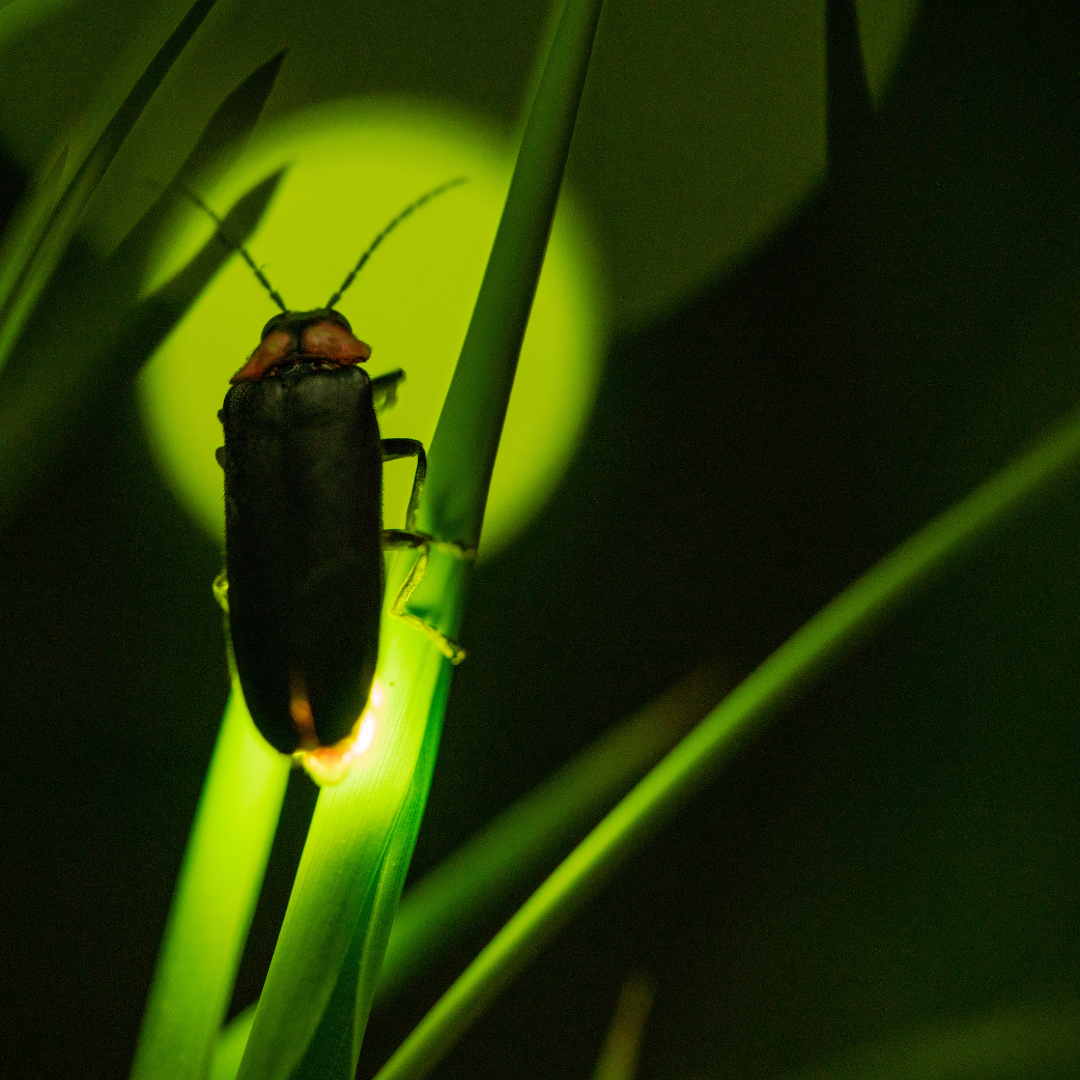
Yet despite their beauty, firefly populations are declining in many places. Habitat loss, pesticides, and light pollution are making it harder for them to survive. Bright artificial lights from homes, streets, and businesses can interrupt the flashing signals fireflies use to find one another.
Protecting fireflies can be surprisingly simple. Leaving parts of yards wild, reducing pesticide use, planting native grasses, and turning off unnecessary outdoor lights can help create safe habitats for them to thrive.
Beyond science, fireflies continue to inspire wonder. Their lights transform ordinary summer nights into something peaceful and alive. In a world filled with noise and constant motion, these tiny insects remind us to pause and notice the quiet beauty around us.
Sometimes the gentlest glow can light up the darkness more than we realize — one small flash at a time.

Do you like this page?