
IPC’s mission is to inspire and equip faith communities to honor, protect, and restore the Chesapeake’s lands and waters. Over the years our partner congregations have risen to the challenge, establishing green teams, integrating watershed-friendly landscaping and turning to clean energy sources in their properties and places of worship. They have also gone on to forge links with each other, such as through the One Water Partnership hubs. 
But as faithful stewards of the Chesapeake, we cannot be content with only taking care of our little pieces of the watershed, or connecting with like-minded faith communities. Our projects can demonstrate new solutions and win converts, but they are not enough. Restoring the health of the watershed requires systemic changes and transformed social attitudes and behaviors. IPC’s new Strategic Roadmap calls for us to “elevate faith-based voices and leadership”, in policy, science, and community conversations.
 To embrace this ambitious role, IPC seeks to equip and engage its members for advocacy. Many of you have participated in IPC’s legislative campaigns in support of Maryland’s Whole Watershed Act (a win in 2024!) and the Bottle Bill (a work in progress). What pro-watershed legislation should we support in Maryland’s and Pennsylvania’s 2027 General Assembly sessions? Could congregations also advocate at the county level, where many decisions affecting our watershed are made, such as stormwater management, land use and zoning regulations, or equity assessments in environmental planning? How can the One Water Partnership hubs become strong faith voices in local decision making?
In addition to policy advocacy, partner congregations can shape local attitudes and behaviors. The precarious state of the Bay reflects our unsustainable lifestyles and economic activities. How can congregations use their own good practices, such as replacing ornamentals with native plants on their properties, or adopting clean energy sources in their houses of worship, to spark community conversations about more environmentally conscious lifestyles? And what kind of community initiatives might result from such awareness raising? Such efforts to influence social attitudes are another form of advocacy.
There are a number of green team advocacy initiatives we are aware of, such as the Annapolis Friends’ green voter education drive, and the Maryland Catholics for Our Common Home (MCCH) and Baltimore Jewish Council's annual lobby days, but we want to hear what everyone is doing. To learn more about all our members’ advocacy initiatives, aspirations, and needs, IPC is launching this survey HERE to explore such questions. The survey will help us to identify members’ state and local policy priorities, their capacity needs, and the advocacy experiences and lessons they can share. Your participation in the survey will help to shape IPC’s public agenda and its support to members, so that advocacy can become one of the essential tools in green teams’ toolboxes. Let us ensure that the voice of the faith community for creation care is heard by decision makers and the general public alike.
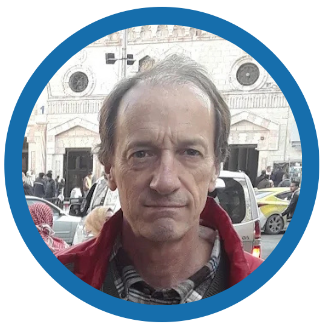
Patrick Crump is a member of the green team at St. Luke’s Episcopal Church in Bethesda, MD. He also chairs IPC’s Advocacy Committee.
Do you like this page?